
Vitamins for Wellness: Your Complete Evidence-Based Guide
Discover how vitamins for wellness support your health goals. Learn which nutrients matter most, food sources, and smart supplementation strategies.
GLyf Health Essentials
8/30/20268 min read
Vitamins for wellness represent fundamental building blocks in maintaining optimal health, supporting everything from immune function to energy production. As our understanding of nutrition science evolves, the conversation around vitamins has shifted from simply preventing deficiency diseases to optimizing wellness across every life stage. Whether you're exploring whole-food sources or considering targeted supplementation, understanding how vitamins work in your body empowers you to make informed decisions about your health journey.
Understanding Essential Vitamins and Their Wellness Impact
Vitamins function as catalysts for countless biological processes, enabling your body to convert food into energy, repair tissue damage, and maintain cellular health. These micronutrients fall into two primary categories: water-soluble and fat-soluble vitamins, each with distinct absorption patterns and storage capabilities.
Water-Soluble Vitamins: Daily Renewal
The water-soluble vitamin group includes the B-complex vitamins (B1, B2, B3, B5, B6, B7, B9, B12) and vitamin C. Your body doesn't store these vitamins efficiently, requiring regular replenishment through diet or supplementation.
Key B-complex vitamins support:
* Energy metabolism and ATP production
* Nervous system function and neurotransmitter synthesis
* Red blood cell formation and oxygen transport
* DNA synthesis and cellular repair
Vitamin C, perhaps the most recognized water-soluble vitamin, performs critical roles in collagen synthesis, immune function, and antioxidant protection. The [Linus Pauling Institute's research](https://lpi.oregonstate.edu/mic) provides comprehensive evidence on vitamin C's multifaceted contributions to wellness, from wound healing to cardiovascular health.
Fat-Soluble Vitamins: Long-Term Storage
Vitamins A, D, E, and K dissolve in fats and accumulate in your body's fatty tissues and liver. This storage capacity means you don't need daily intake, but it also requires careful attention to avoid excessive accumulation.
| Vitamin | Primary Functions | Wellness Benefits | Storage Sites|
Vitamin D deserves special attention in discussions about vitamins for wellness, as deficiency remains widespread despite its critical roles. Beyond bone health, vitamin D influences immune system regulation, insulin sensitivity, and even mental health outcomes.
Evidence-Based Sources: Food First Approach
While supplements offer convenience, [whole foods remain the optimal source of vitamins](https://www.health.harvard.edu/healthy-aging-and-longevity/best-source-of-vitamins-your-plate-not-your-medicine-cabinet) for most individuals. Foods deliver vitamins alongside complementary nutrients, fiber, and phytochemicals that work synergistically.
Building Your Vitamin-Rich Foundation
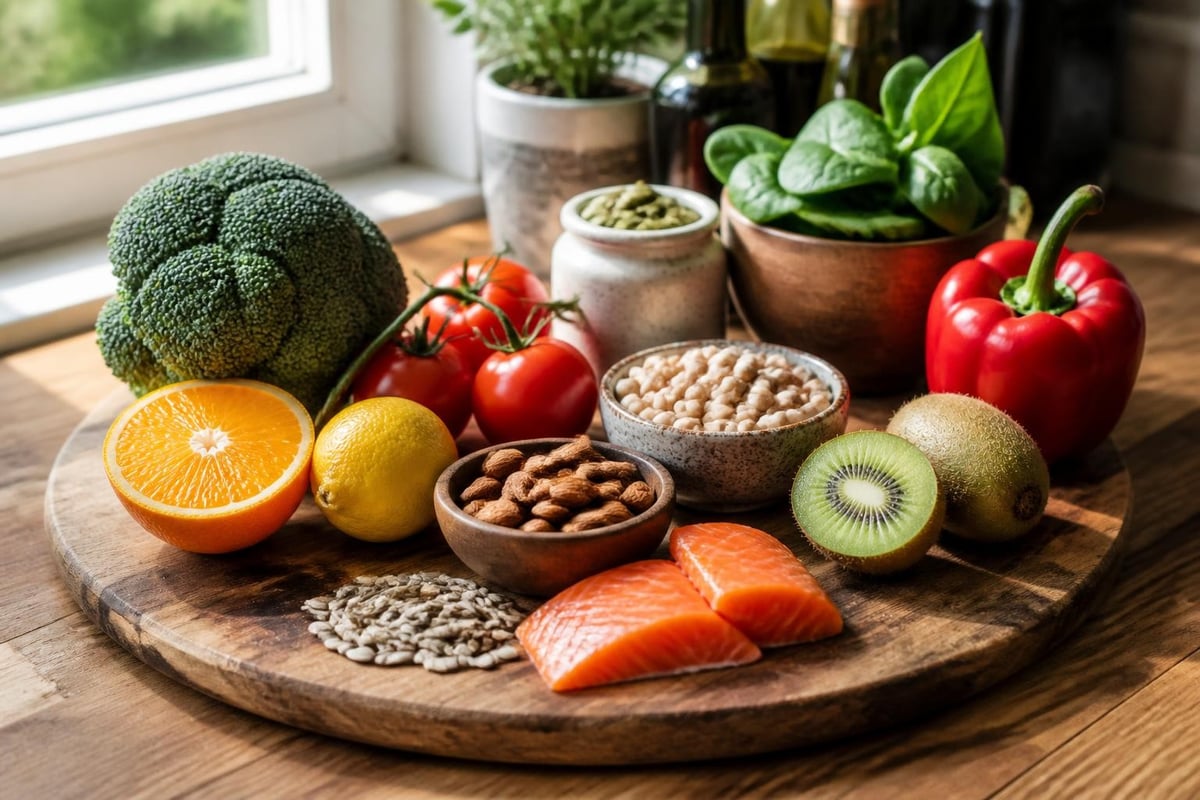
Creating a diverse, colorful plate ensures comprehensive vitamin coverage. Different pigments in fruits and vegetables signal distinct phytonutrient profiles and vitamin content.
Red and orange foods like beetroot, tomatoes, and sweet potatoes provide vitamin A precursors (carotenoids), vitamin C, and folate. Beetroot specifically delivers not only vitamins but also nitrates that support cardiovascular function and natural energy production.
Dark leafy greens such as spinach, kale, and Swiss chard concentrate vitamins K, A, C, and several B vitamins. These vegetables exemplify nutrient density, packing maximum vitamins into minimal calories.
Citrus fruits and berries deliver abundant vitamin C alongside flavonoids that enhance antioxidant activity. Pomegranate stands out in this category, offering vitamin C, folate, and unique polyphenols that support heart health.
Start with vegetables: Fill half your plate with varied vegetables at each meal
Incorporate whole grains: Choose fortified whole grains for B vitamins
Include lean proteins: Fish, poultry, and legumes provide B vitamins and support overall nutrient absorption
Add healthy fats: Nuts, seeds, and avocados enhance fat-soluble vitamin absorption
Diversify fruit choices: Rotate different fruits to capture varying vitamin profiles
The [World Health Organization emphasizes](https://www.who.int/news-room/fact-sheets/detail/healthy-diet) that food-based strategies should anchor nutritional wellness, with supplementation playing a supportive role where dietary gaps exist.
Strategic Supplementation for Optimal Wellness
Despite best intentions, modern lifestyles, soil depletion, and individual variations create scenarios where vitamins for wellness require supplemental support. Understanding when supplementation makes sense separates evidence-based wellness from unnecessary expense.
Identifying Your Supplementation Needs
Several factors influence whether you'd benefit from targeted vitamin supplementation beyond dietary sources.
Life stage considerations matter significantly. Pregnant women require additional folate to prevent neural tube defects. Adults over 50 often need vitamin B12 supplementation due to decreased stomach acid production. Individuals following plant-based diets typically require B12 supplementation, as this vitamin occurs naturally only in animal products.
Geographic and lifestyle factors also play roles. People living in northern latitudes or those who spend limited time outdoors frequently need vitamin D supplementation, especially during winter months. Night shift workers face similar challenges with vitamin D synthesis.
Health conditions can create increased requirements or absorption challenges. Digestive disorders like Crohn's disease or celiac disease may impair vitamin absorption. Certain medications interfere with vitamin metabolism, necessitating supplementation.


Quality Matters in Vitamin Supplements
Not all vitamin supplements deliver equal value. Manufacturing processes, ingredient sourcing, and formulation strategies significantly impact bioavailability and effectiveness.
Third-party testing verifies that supplements contain stated ingredients in advertised amounts, free from contaminants. Look for certifications from organizations like NSF International or USP.
Bioavailable forms ensure your body can actually use the vitamins. For example, methylcobalamin (vitamin B12) may be more readily utilized than cyanocobalamin. Similarly, vitamin D3 (cholecalciferol) typically outperforms D2 (ergocalciferol) in raising blood levels.
Synergistic formulations combine vitamins with complementary nutrients that enhance absorption or function. Vitamin D paired with vitamin K2 supports both bone health and proper calcium utilization. Products like [Beetplex](https://glyfessentials.com/beetplex) exemplify this approach, combining natural ingredients that work together to support energy and cardiovascular wellness.
Vitamins for Specific Wellness Goals
Different wellness objectives may benefit from targeted attention to particular vitamins, always within the context of comprehensive nutrition.
Energy and Metabolic Wellness
B-complex vitamins serve as cofactors in energy metabolism, converting dietary macronutrients into usable ATP. Thiamine (B1), riboflavin (B2), niacin (B3), pantothenic acid (B5), and cobalamin (B12) all participate in these essential pathways.
Deficiency in any B vitamin can manifest as fatigue, reduced physical performance, and impaired cognitive function. However, supplementation benefits primarily those with actual deficiencies rather than creating superhuman energy in adequately nourished individuals.
Natural energy support extends beyond isolated vitamins to include whole-food sources and complementary compounds. Beetroot naturally concentrates B vitamins while also providing dietary nitrates that improve oxygen utilization and exercise efficiency.
Immune System Resilience
Vitamins A, C, D, and E all contribute to immune function through various mechanisms. Vitamin A maintains epithelial barriers that prevent pathogen entry. Vitamin C supports neutrophil function and antibody production. Vitamin D modulates both innate and adaptive immunity.
Research, including [systematic reviews on vitamin A supplementation](https://www.cochranelibrary.com/cdsr/doi/10.1002/14651858.CD008524.pub4/pdf/CDSR/CD008524/CD008524_abstract.pdf), demonstrates that targeted supplementation can reduce morbidity in specific populations, particularly where baseline deficiency exists.
Vitamin A - Maintains mucosal barriers, supports T-cell function. Deficiency increases infection susceptibility. Sources: Liver, sweet potatoes, carrots, dark leafy greens.
Vitamin C - Enhances phagocyte function, supports antibody production. Deficiency Impairs wound healing, reduced immune response. Sources: Citrus fruits, bell peppers, broccoli, strawberries.
Vitamin D - Modulates immune cell activation and inflammation. Deficiency Increases autoimmune risk, infection frequency. Sources: Fatty fish, fortified dairy, sunlight exposure.
Vitamin E - Protects cell membranes from oxidative damage. Deficiency reduces natural killer cell activity. Sources: Nuts, seeds, vegetable oils, leafy greens.
Cardiovascular and Circulatory Health
Several vitamins for wellness demonstrate particular relevance to heart health and circulatory function. Folate (vitamin B9), along with vitamins B6 and B12, help regulate homocysteine levels. Elevated homocysteine associates with increased cardiovascular risk, though supplementation trials show mixed results on clinical outcomes.
Vitamin E functions as an antioxidant protecting LDL cholesterol from oxidation, a key step in atherosclerosis development. However, high-dose vitamin E supplementation hasn't consistently demonstrated cardiovascular benefits in clinical trials, reinforcing the importance of food-first approaches.
Vitamin K2 directs calcium toward bones and away from arteries, potentially reducing arterial calcification. Emerging research suggests K2 deserves greater attention in cardiovascular wellness strategies.

Maximizing Vitamin Absorption and Utilization
Consuming adequate vitamins represents only part of the wellness equation. Your body must effectively absorb and utilize these nutrients for optimal benefit.
Timing and Combination Strategies
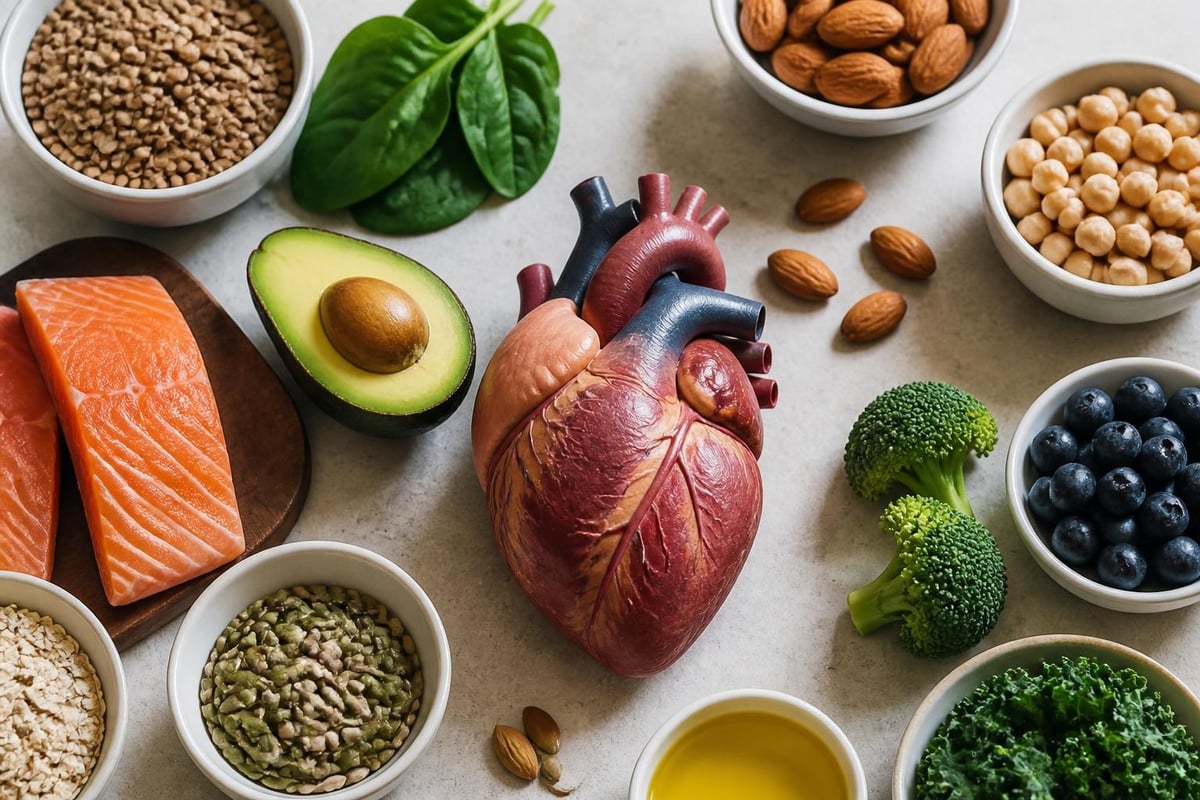
Fat-soluble vitamins (A, D, E, K) absorb best when consumed with dietary fats. Taking these vitamins with meals containing healthy fats like avocado, nuts, or olive oil enhances bioavailability significantly.
Water-soluble vitamins generally absorb well regardless of meal timing, though some individuals experience stomach upset when taking them on an empty stomach. B vitamins particularly may cause nausea without food.
Nutrient synergies enhance absorption and function:
* Vitamin D improves calcium absorption for bone health
* Vitamin C enhances non-heme iron absorption from plant foods
* Vitamin E works synergistically with vitamin C as antioxidants
* Vitamin K2 directs calcium deposited through vitamin D action
Factors That Compromise Vitamin Status
Several common situations can deplete vitamin stores or impair absorption, even with adequate dietary intake.
Chronic stress increases vitamin C utilization and may accelerate B-vitamin depletion. Alcohol consumption interferes with folate, thiamine, and vitamin B12 absorption while increasing requirements. Caffeine may reduce absorption of some B vitamins when consumed in excess.
Medications often create vitamin interactions. Proton pump inhibitors reduce B12 absorption. Statins may decrease CoQ10 (though not technically a vitamin, it functions similarly). Metformin can lower B12 levels over time.
Cooking methods significantly impact vitamin content in foods. Water-soluble vitamins leach into cooking water, while excessive heat degrades many vitamins. Steaming vegetables preserves more vitamins than boiling. Consuming some vegetables raw maintains heat-sensitive vitamins like vitamin C and folate.
Personalized Approaches to Vitamins for Wellness
Individual biochemistry, genetics, and circumstances mean one-size-fits-all recommendations fall short of optimizing wellness. Personalization enables more precise vitamin strategies.
Testing and Biomarkers
While routine vitamin testing isn't necessary for most healthy individuals, specific situations warrant assessment. Vitamin D testing makes sense given widespread deficiency and the nutrient's multiple roles. B12 testing helps vegetarians, older adults, and those with absorption issues.
Advanced testing can identify genetic variations affecting vitamin metabolism. MTHFR gene variants, for instance, reduce folate metabolism efficiency, potentially benefiting from methylfolate supplementation rather than standard folic acid.
Building Your Vitamin Wellness System
Creating sustainable vitamin wellness habits requires systematic approaches rather than sporadic efforts.
Assess your baseline: Track typical food intake for several days to identify patterns and potential gaps
Prioritize whole foods: Build meals around vitamin-rich whole foods as your foundation
Identify specific needs: Consider life stage, health status, dietary patterns, and individual circumstances
Choose quality supplements: Select evidence-based, third-party tested products when supplementation makes sense
Monitor and adjust: Pay attention to energy, recovery, and wellness markers, adjusting strategies as needed
Business opportunities in the wellness space, like those available through [Good Life Essentials](https://glyfessentials.com/business-opportunity), often emphasize this systematic approach, combining quality products with education and community support.
Long-Term Vitamin Wellness Sustainability
Sustainability in vitamin wellness means creating habits and systems that endure beyond initial enthusiasm. Complexity often undermines consistency, so simplicity serves you better than elaborate protocols.
Meal patterns that naturally incorporate diverse, colorful foods deliver vitamins without constant calculation. Seasonal eating rotates vitamin sources naturally while supporting local agriculture and food freshness.
Strategic supplementation fills genuine gaps without creating unnecessary expense or complexity. Rather than dozens of individual vitamin bottles, comprehensive formulations or targeted support for specific needs often serve better.
The [product offerings at Good Life Essentials](https://glyfessentials.com/product) exemplify this philosophy, focusing on evidence-based formulations that address common wellness goals efficiently.
Emerging Research and Future Directions
Vitamin science continues evolving, with research revealing new mechanisms and applications for vitamins in wellness optimization.
Epigenetic effects of vitamins demonstrate how these nutrients influence gene expression beyond their classical functions. Folate, for instance, plays crucial roles in DNA methylation patterns that affect long-term health trajectories.
Microbiome interactions represent another frontier. B vitamins synthesized by gut bacteria contribute to host nutrition, while vitamin D influences microbiome composition. This bidirectional relationship adds complexity to understanding vitamin requirements.
Personalized nutrition powered by genetic testing, microbiome analysis, and biomarker tracking promises more precise vitamin recommendations. While still emerging, these approaches may eventually replace broad population-level guidelines with truly individualized protocols.
Delivery mechanisms continue improving. Liposomal vitamins, sublingual formulations, and targeted-release technologies aim to enhance bioavailability beyond traditional tablets and capsules.
Despite exciting developments, fundamental principles endure: diverse whole foods, quality supplements where needed, and consistency over time deliver the foundation for vitamin wellness in 2026 and beyond.
Optimizing vitamins for wellness requires balancing evidence-based nutrition with individual needs, combining whole-food sources with strategic supplementation when necessary. The systematic approach matters more than perfection, creating sustainable habits that support long-term health goals. [Good Life Essentials](https://glyfessentials.com) offers evidence-based solutions like Beetplex that combine natural ingredients with scientific backing, supporting your wellness journey with both quality products and structured systems for success.
Get in touch
Contacts
Address
Casa Regina Building, Cubao, Quezon City.


Empowering lives through premium wellness products and a profitable business opportunity.
Together, we grow. Together, we thrive
Quick Links
JOIN US
Stay updated with tips, events, and success stories.
© Good Life Essentials. All rights reserved.